How To Keep Holiday Sugar Bugs Away Without Spoiling Fall Family Traditions
Protecting primary teeth during autumn festivities requires balancing seasonal fun with proactive oral hygiene. Understanding how sticky sweets affect enamel helps parents manage sugar intake safely. Our Englewood practice combines preventative sealants, routine cleanings, and gentle care to preserve growing smiles throughout the entire holiday season.
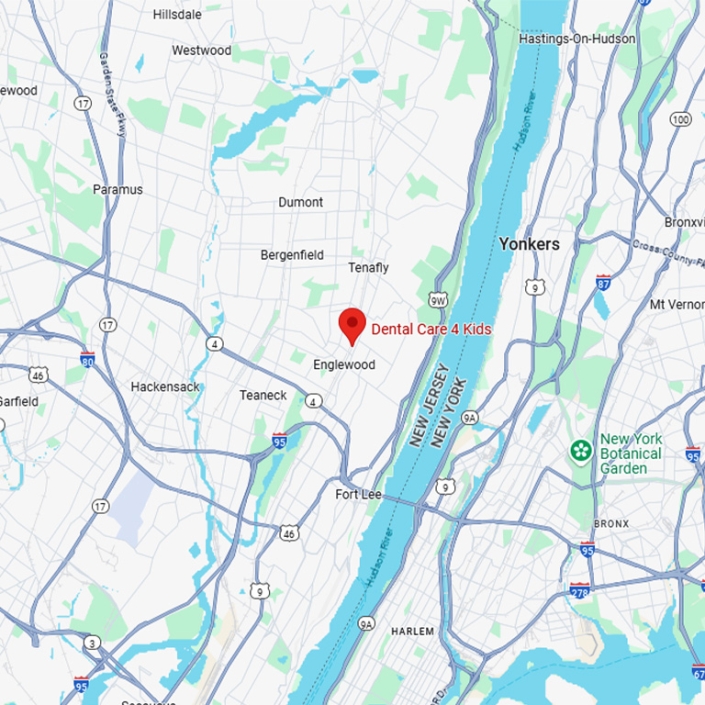
Autumn brings crisp air to northern New Jersey, leading families toward seasonal outings at Flat Rock Brook Nature Center and evening walks near Mackay Park. As costumes are assembled and trick-or-treat bags fill up, parents naturally worry about the sudden influx of sugary treats. At Dental Care 4 Kids, located along the North Dean Street medical corridor in Englewood, our team believes that seasonal celebrations should remain joyful and anxiety-free. Protecting your child’s deciduous dentition, commonly known as baby teeth, does not mean canceling the fun. By understanding how bacteria interact with sugars, families along Route 4 and Route 9W can build healthy habits that protect young teeth without sacrificing favorite autumn traditions.
Understanding How Autumn Treats Affect Developing Teeth
Every snack your child enjoys initiates a dynamic reaction inside the mouth. When kids consume sugary foods, naturally occurring oral bacteria feed on those carbohydrates and produce harmful acids. This process drives cariogenic diet dynamics, which describes how specific dietary choices influence acid production and enamel breakdown. Repeated acid exposure weakens the protective outer layer of primary teeth over time. Fortunately, saliva continuously neutralizes these acids and promotes enamel remineralization, a natural restorative process that deposits essential minerals back into delicate enamel structures.
Periodic caries risk assessments allow pediatric dentists to identify vulnerable areas before decay develops. Primary teeth feature thinner enamel than adult teeth, making them particularly susceptible to rapid cavity progression. Sticky candies like gummies and caramels cling to deep molar grooves, prolonging acid exposure and neutralizing the protective effects of natural saliva. Hard candies pose a dual threat because they stay in the mouth longer and can chip enamel. Chocolate, conversely, melts away quickly and rinses off teeth far more easily with a simple sip of water. Managing the timing and texture of seasonal treats empowers parents to protect delicate enamel while keeping autumn celebrations sweet and safe.
Comparing Popular Fall Treats and Their Impact on Teeth
| Treat Type | Oral Risk Level | Primary Impact on Enamel | Preferred Timing or Action |
| Milk Chocolate | Low to Moderate | Melts rapidly and washes away with water | Enjoy directly after mealtime |
| Gummy Candies | High | Sticks to tooth grooves and prolongs acid exposure | Limit frequency and brush thoroughly |
| Hard Candies | High | Lengthens acid contact and risks physical tooth damage | Avoid or substitute with chocolate |
| Popcorn & Chips | Moderate | Traps starches between teeth that convert to sugar | Floss immediately after snacking |
Easy Steps to Protect Young Smiles This Autumn
- Serve sweets immediately after regular meals when natural saliva flow is highest to help rinse away lingering sugar particles.
- Encourage your child to drink plain water right after enjoying treats to flush out trapped debris and neutralize mouth acids.
- Maintain a consistent daily routine of brushing twice for two minutes using an age-appropriate fluoridated toothpaste.
- Guide gentle daily flossing between touching teeth where tight contacts trap hidden food particles and sticky residue.
- Schedule a routine autumn wellness visit to apply protective dental sealants that guard deep molar grooves against decay.
Common Questions About Halloween Treats and Pediatric Dental Health
Navigating holiday treats often brings up practical questions for parents who want to balance fun traditions with strong oral health habits. Seeing your child enjoy seasonal treats is a wonderful part of childhood, but protecting delicate baby teeth requires clear guidance. Our clinical team regularly collaborates with local families to make everyday dental care feel simple, stress-free, and practical. Below are clear answers to the questions we hear most frequently during autumn office visits.
How Does Sugar Cause Cavities in Children’s Teeth?
Sugar itself does not directly eat away at tooth enamel, but it fuels naturally present oral bacteria that produce destructive acids. Our clinical team works closely with parents to explain how simple post-snack habits prevent these acids from softening primary enamel. Timely home care and routine cleanings help keep your child’s natural defenses strong throughout the holiday season.
Should Parents Fully Ban Sticky Halloween Candy?
Banning seasonal treats entirely is rarely necessary and can make autumn treats feel overly stressful for young children. Offering small portions right after meals lets natural saliva wash away lingering sugary debris. Pairing sensible treat guidelines with daily brushing keeps family traditions bright while protecting developing smiles.
When Is the Best Time for Kids to Eat Holiday Sweets?
Serving sweets directly following lunch or dinner is ideal because active mealtime saliva helps wash away sugar particles. Sweets eaten between meals prolong acid exposure because saliva production decreases when children are not actively chewing full meals. Strategic snack timing protects primary enamel while still letting kids enjoy their favorite festive treats.
Schedule Your Autumn Dental Checkup in Englewood
Help your child enjoy a healthy, vibrant smile throughout the autumn holiday season by partnering with our compassionate local dental team. Conveniently located along North Dean Street near the Route 4 and Route 9W corridor, Dental Care 4 Kids provides welcoming, sensory-friendly care designed to put young patients at ease. Contact our Englewood office today to schedule your child’s preventative autumn checkup or professional cleaning.